Cameron Albrecht · 21 November 2026
Tracing Material Origins and Logistics Networks for Advanced Paired Joist Manufacturing
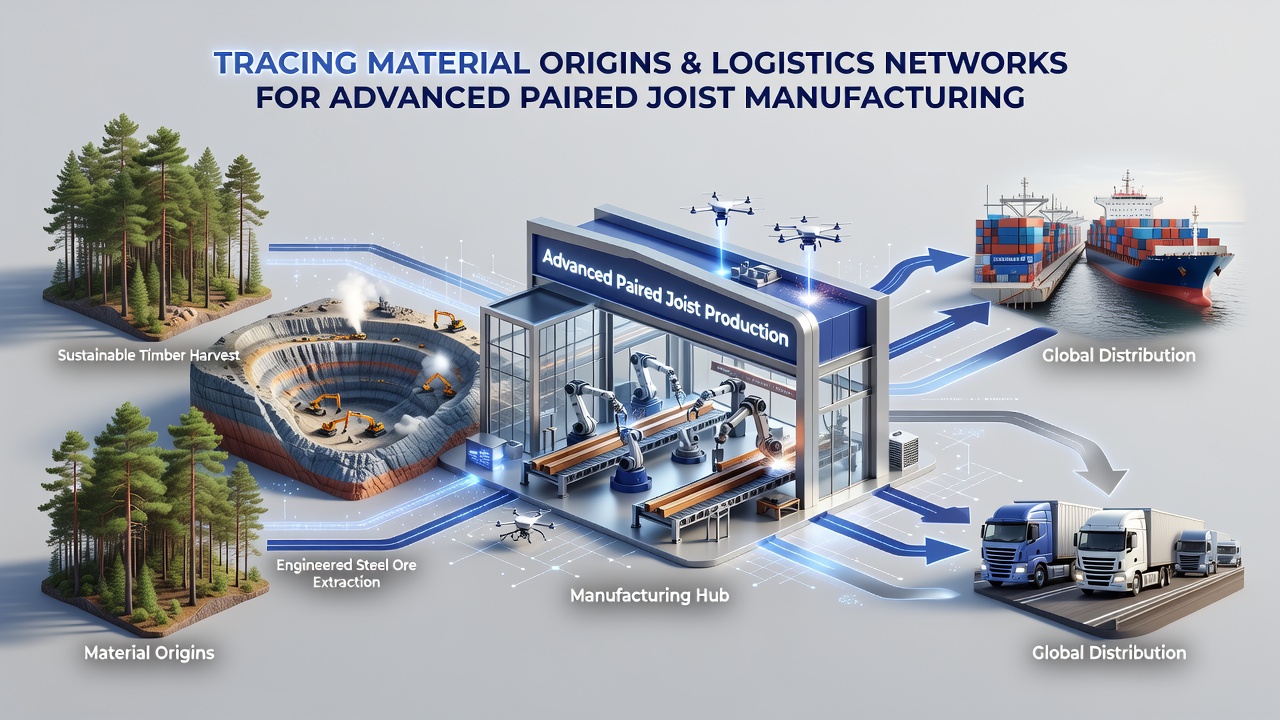
Advanced paired joist manufacturing relies on precise tracking of raw materials through complex global supply chains, where wood fiber, adhesives, and steel reinforcements move from source regions to assembly plants under strict documentation requirements. Data from forestry agencies shows that traceability begins at harvest sites, where GPS-tagged logs enter digital ledgers that follow each batch through milling, treatment, and final pairing processes. Manufacturers coordinate these flows to meet building code standards while minimizing delays that can arise when documentation gaps appear at any transfer point.
Material Sourcing and Verification Protocols
Forest product origins receive verification through third-party certification programs that record species, growth region, and harvest date for every shipment destined for paired joist production. Canadian forestry statistics indicate that over 80 percent of structural lumber used in North American manufacturing now carries chain-of-custody records updated at each handling stage. Researchers at processing facilities note that adhesive resins and web materials undergo separate audits because their chemical feedstocks originate from different industrial sectors, often requiring cross-referenced supplier declarations to confirm compliance with environmental regulations.
Steel flange suppliers submit mill certificates that detail alloy composition and production location, allowing engineers to cross-check against structural performance specifications before components reach the pairing line. One study conducted across multiple facilities revealed that digital scanning of barcodes at intake reduces origin verification time by nearly 40 percent compared with paper-based systems still used in some smaller operations.
Logistics Pathways and Network Optimization
Transportation routes for paired joist inputs combine rail, truck, and occasional maritime segments, each segment logged with timestamps and carrier identifiers to maintain an unbroken record. Logistics planners adjust schedules when seasonal restrictions affect northern logging roads or when port congestion alters container availability for imported resins. Industry reports from 2025 document average transit times of 18 to 26 days from western Canadian mills to midwestern assembly plants, with real-time adjustments made through integrated software platforms that flag potential disruptions before they halt production.
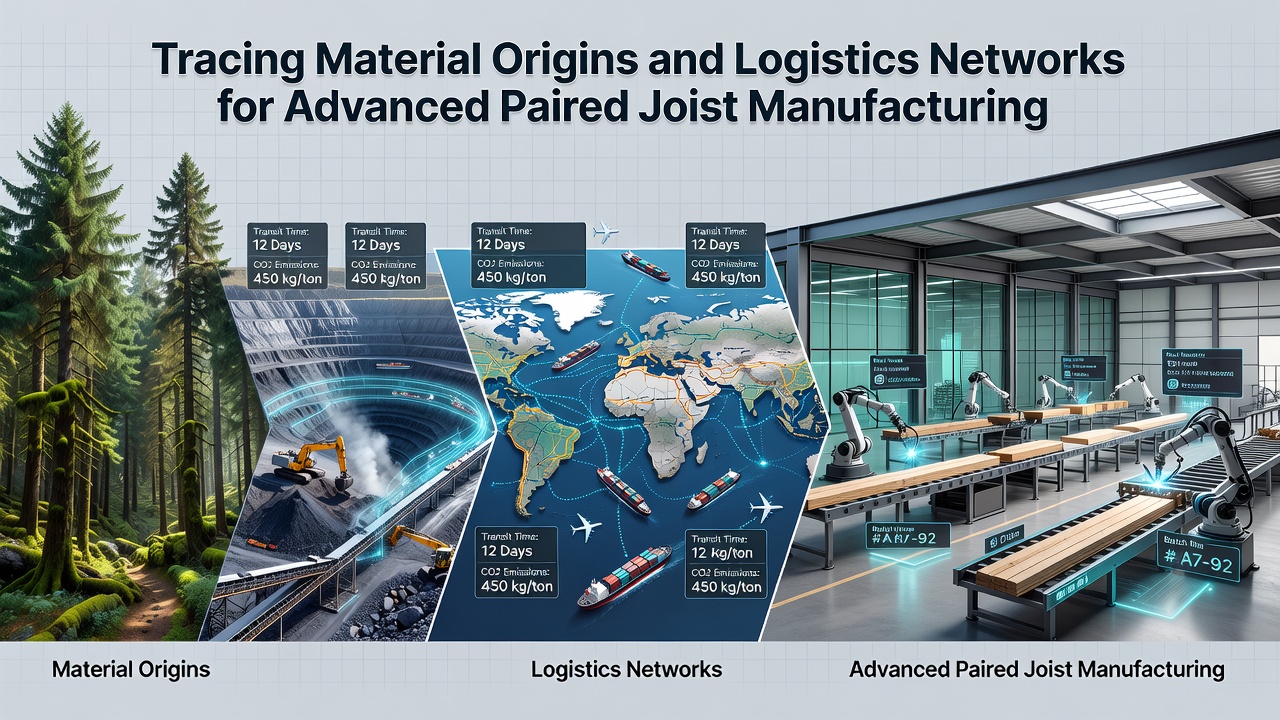
Regional distribution centers function as consolidation points where partial loads merge into full truck shipments bound for manufacturing sites. Observers note that these hubs maintain buffer stocks calibrated to forecasted demand, reducing the risk of line stoppages while keeping inventory carrying costs within acceptable ranges. European construction data indicates similar network structures operate across EU member states, where cross-border trucking requires additional customs declarations even after simplified procedures took effect in recent years.
Digital Traceability Systems and Regulatory Updates
Blockchain-based platforms now supplement traditional databases in several large manufacturing networks, creating immutable records accessible to auditors, builders, and regulatory bodies. These systems record each transfer of custody along with associated test results for moisture content, adhesive bond strength, and dimensional tolerances. Implementation timelines vary, yet facilities adopting the technology report improved audit response times and fewer requests for supplementary documentation during inspections.
Policy changes scheduled for November 2026 will expand mandatory disclosure requirements for imported wood components used in structural assemblies, prompting manufacturers to accelerate supplier onboarding programs. The European Commission framework already requires due diligence statements for timber products entering EU markets, and parallel measures under consideration in other jurisdictions aim to align verification standards across major trading regions. Manufacturers preparing for these shifts conduct internal gap analyses to ensure existing logistics records meet the forthcoming granularity thresholds.
Case Examples from Production Facilities
One mid-sized plant in the Pacific Northwest integrated RFID tags on every incoming lumber bundle, enabling automated reconciliation between physical inventory and digital origin certificates within seconds of arrival. Staff at that facility report fewer instances of mismatched documentation during quarterly reviews, although initial setup required retraining of receiving personnel and updates to warehouse management software. A comparable operation in central Canada achieved similar results through a hybrid paper-digital system that scans certificates at each gate while retaining physical copies for backup compliance files.
Supply disruptions during extreme weather events have tested these networks, revealing that pre-positioned alternate suppliers with pre-verified origin records allow faster recovery than sourcing from new vendors. Those who have studied these events note that advance mapping of secondary routes and pre-approved carrier contracts reduces downtime from weeks to days in most documented cases.
Conclusion
Tracing material origins and managing logistics networks for advanced paired joist manufacturing requires coordinated documentation across multiple suppliers, transport modes, and regulatory jurisdictions. Facilities that maintain detailed digital records alongside physical verification processes demonstrate greater resilience when facing policy shifts or supply interruptions. Continued refinement of these systems supports consistent product quality while meeting evolving expectations from builders and code authorities.